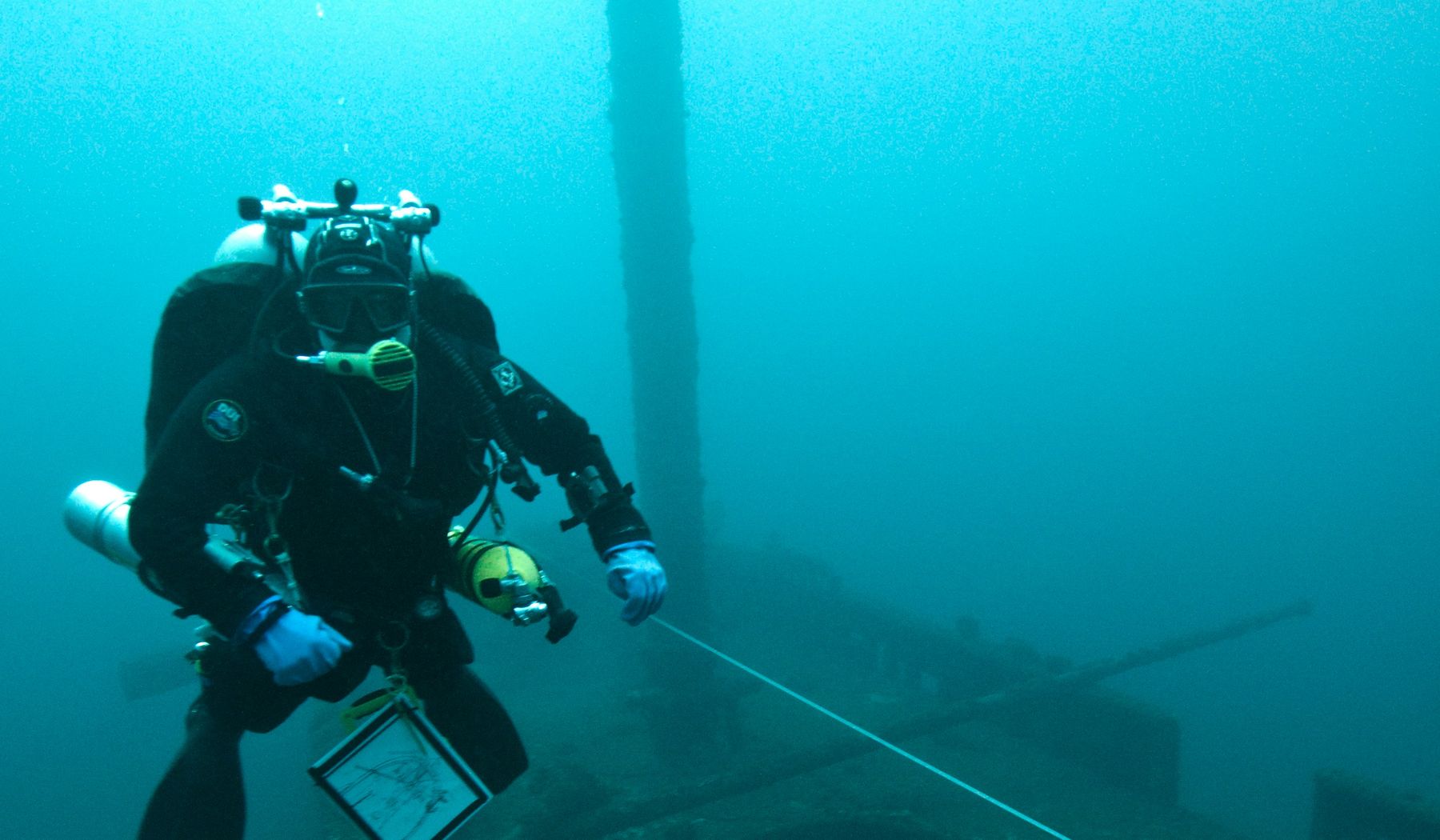
Technical diver with survey equipment underwater

Zinc & Propeller Replacement · Pinellas County

Anodes are cheap. The metal they protect isn't.

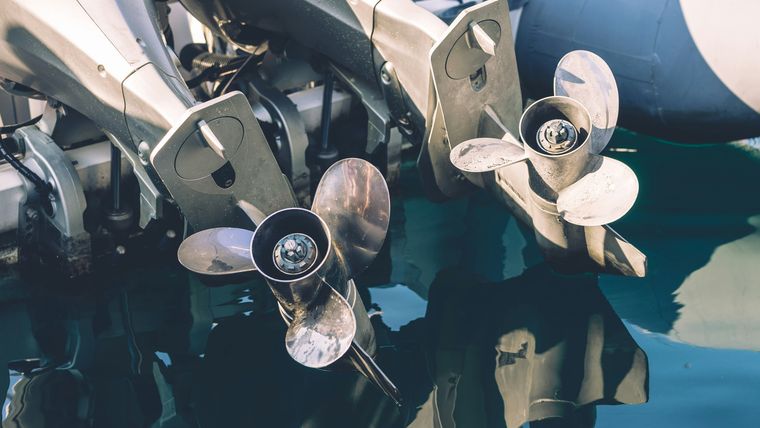
Zinc anodes are the sacrificial metal that keeps galvanic corrosion off your shafts, props, and running gear. We inspect and replace them in the water, on schedule — and handle prop and gear swaps without a haul-out.

In-water swaps On-schedule protection Licensed & Insured in Florida
In-waterAnodes & props swapped at your slip
On scheduleReplaced before they fail
PADI MasterAdvanced Master Diver & Instructor
All PinellasEvery dock in the county

Why anodes matter

A few dollars of zinc protects thousands in running gear.

Galvanic corrosion is constant and invisible. Anodes are designed to be eaten first — so your expensive metal isn't.

i.

Sacrificial by design

Anodes corrode so your shafts, props, and struts don't. Once they're spent, the corrosion moves to the metal you actually care about.

ii.

A schedule, not a guess

Anodes are typically replaced around half-depleted. We check them on every visit and swap them before they stop protecting.

iii.

Props & gear, in the water

Damaged or fouled props and running gear serviced or swapped at the dock — no travel lift, no yard time.

iv.

Documented every time

Old and new anodes, and any gear work, photographed so you know exactly what was done.

Before
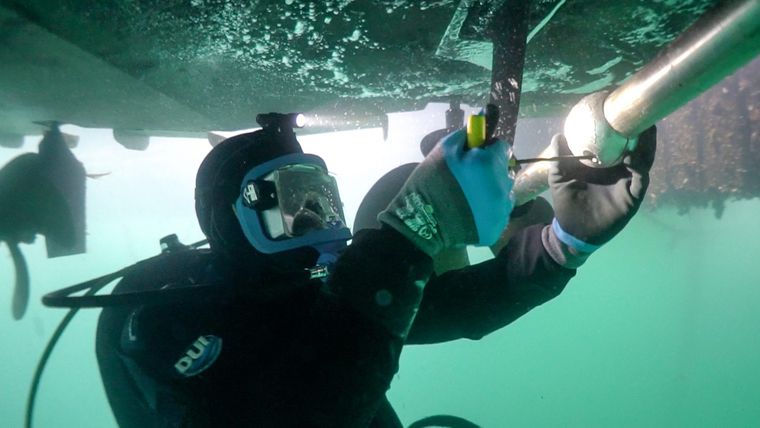
Real dive — strut and propeller cleaned back to bare metal.

What it is

How zinc protection actually works.

Every boat with metal below the waterline is a slow battery. Dissimilar metals in seawater set up a small electrical current — galvanic corrosion — that eats away at the least noble metal in the circuit. Left unchecked, that's your shafts, props, struts, and rudders.

Zinc, aluminum, or magnesium anodes are bolted on to be the least noble metal in the system, so they corrode first and spare everything else. They only work while there's enough of them left. Once an anode is more than about half gone, its protection drops off fast — which is why a steady replacement schedule matters more than the price of the part.

We inspect your anodes on every dive, replace them in the water before they fail, and handle propeller and running-gear swaps at the dock — all documented, so the protection on your boat is never a question mark.

Zinc & prop service covers

The whole circuit — checked and protected.

Anode inspection

Every anode checked for depletion and secure mounting.

Anode replacement

Shaft, hull, trim-tab, and engine anodes swapped in the water.

Correct anode type

Zinc, aluminum, or magnesium matched to your water and setup.

Propeller service

Fouled or damaged props cleaned, removed, or replaced.

Running gear

Shafts, struts, and cutless bearings checked while we're down.

Hardware checked

Fasteners and bonding contact points inspected.

Old & new documented

Before-and-after photos of every part replaced.

Replacement schedule

A cadence set to how your boat actually wears anodes.

~50%Depletion at which an anode should be replaced.
In-waterSwapped at your dock — no haul-out.
DocumentedOld and new parts photographed.
All PinellasEvery dock in the county.

How it works

Protection on a schedule, not a scramble.

01

Reach out

Tell us your boat and what you're running for anodes and props.

02

We assess & quote

Anode count, type, and any prop work, priced clearly.

03

We swap & document

Replaced in the water and photographed as we go.

04

You get the proof

Before-and-after images and a note on what's protected.

More below the line

While we're down there — we handle the rest.

Zinc & prop FAQ

What owners ask about anode service.

Straight answers on timing, metals, and cost.

How do I know when my zinc anodes need replacing?
As a rule, anodes are replaced once they're around half depleted. We inspect them on every visit and only swap them when it's genuinely needed to keep protecting your shafts, props, and other underwater metal.
Can you replace anodes and props without hauling the boat?
Yes. Anode replacement and most propeller and running-gear work is done in the water, right at your slip — no travel lift, no yard bill.
Should I use zinc, aluminum, or magnesium anodes?
It depends on your water. Zinc is the traditional choice for saltwater; aluminum performs well in brackish water and lasts longer; magnesium is for fresh water. We match the anode to where and how you keep your boat.
What happens if I let my anodes go too long?
Once anodes are spent, galvanic corrosion moves on to your shafts, props, and struts — the expensive metal. Replacing a worn anode is a few dollars; replacing a corroded prop or shaft is not.
Do you supply the anodes and props, or do I?
Either works. We can source and bring the correct parts, or install parts you already have. We'll confirm before the dive.
Will I get proof of what was replaced?
Always. We photograph the old and new parts and send a short note on what was swapped and what's now protected.

Precision beneath the waterline

Protect the metal that moves you — before it's gone.

Tell us your boat and your setup. We'll check your anodes, handle the gear, and keep the corrosion where it belongs — on the zinc.

Call Now Free Quote