Marinas we dive · Gulfport
Mariner's Cove Marina, and the water it lives in.
Boca Ciega BaySince 1843Sheltered water
Marinas we dive · Gulfport
The water
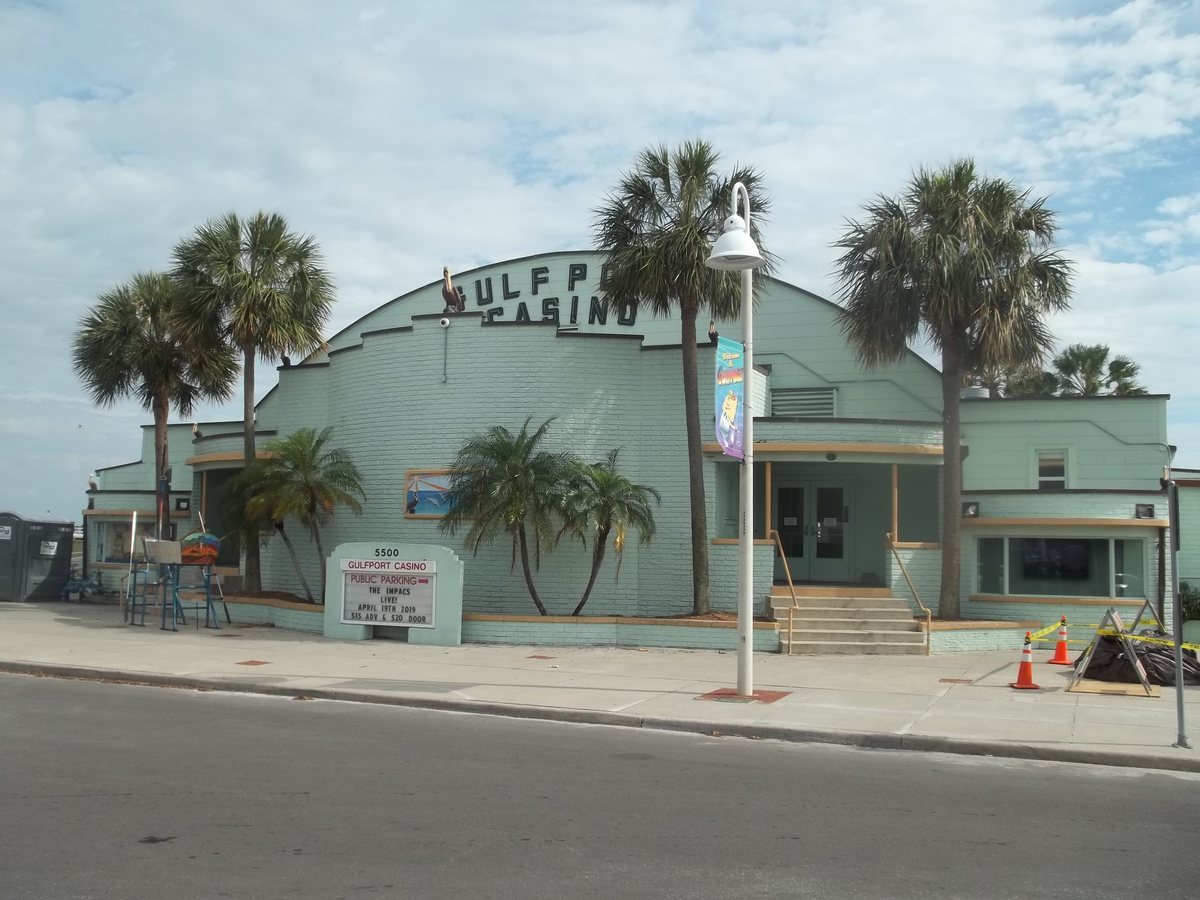
The Gulfport waterfront was a transport hub before it was a marina. In 1905 a 700-foot lighted dock ran out into Boca Ciega Bay with trolley track along its full length.
Streetcars rolled from St. Petersburg down what is now Beach Boulevard and continued out over the water, so passengers could step off a trolley directly onto a boat for Pass-a-Grille. A ticket office opened at the far end in 1906.
That service ran for more than twelve years before the first bridge ever reached the lower Gulf beaches.
At 3.2 miles in from Blind Pass, the flushing has largely spent itself. What grows here is soft, and soft growth is forgiving until it isn't.
Mariner's Cove Marina, GulfportMariner's Cove Marina lies about 3.2 miles from Blind Pass, with Pass-a-Grille Channel roughly 4.4 miles off. It sits back from the inlet, and that distance is the single best predictor of how fast a hull fouls here.
At this distance the tidal push has largely spent itself. Water warms, turnover slows, and the balance shifts toward soft growth — slime and grass rather than heavy shell.
A private marina with a settled fleet gives us the most useful thing possible: the same hulls over time, so the cadence gets sharper with every visit.
Timeline
Antonio Maximo Hernandez receives shoreline at the south end of the peninsula and builds a fishing rancho trading with Cuba.
A Category 4 hurricane lands at the mouth of Tampa Bay. It erases the rancho and, the same night, cuts John's Pass open to the north-west.
Settlement begins on the Gulfport side of the bay.
The Orange Belt Railway reaches the Boca Ciega shoreline before it reaches St. Petersburg.
A 700-foot lighted dock with trolley track carries passengers out over the bay to meet boats for Pass-a-Grille.
The name finally settles after Bonifacio and Veteran City.
The storm that destroys Gulfport's casino also reshapes the barrier islands to the north.
Forty-four acres at the head of a 3,700-foot channel — and for a while, the world's largest covered marina.
Things worth knowing
Distance to the nearest inlet is the strongest single predictor of fouling rate. At 3.2 miles from Blind Pass, with Pass-a-Grille Channel a further 4.4 miles off, this berth sits at the edge of it.
Gulfport, dockage and storage. Gulfport, on Boca Ciega Bay, 3.2 miles inside Blind Pass — well within our regular run.
Growth in Pinellas is not linear, and at 3.2 miles in the seasonal swing is pronounced but predictable. A cadence set for August will be wrong in January.
Bare metal fouls faster than painted surface everywhere on this coast, and even in slow water it leads the hull. Props, shafts and struts usually signal the timing before the paint does.
Manatees, dolphins and grass beds share Boca Ciega Bay. Method matters as much as schedule — media matched to the paint, and nothing scoured into the bottom.
With 87 reviews it is one of the quieter entries on our list — smaller fleets tend to mean more stable, more predictable fouling.
From the diver
Boca Ciega runs shallow and warm, and warm shallow water grows things. Expect a real barnacle set from May through October and a heavier slime layer than you would see in open Gulf water.
Flushing is the variable that matters most. A slip near the mouth of a canal turns over far more water than one at the dead end, and two boats a hundred yards apart can foul at noticeably different rates.
Because growth here is fast rather than gradual, cadence beats intensity. Frequent light cleans hold the paint far better than waiting for a heavy set and then scrubbing hard to catch up.
Gallery


We dive Boca Ciega Bay and know how it behaves through the season. Tell us the boat and the slip and we'll send a number and a cadence that fits the water it actually sits in.